Why Every Community Needs Green Spaces


Green spaces are often seen as places for relaxation and recreation, but their importance extends far beyond providing a pleasant environment. Parks, community gardens, forests, and natural areas play a vital role in supporting the health, well-being, and sustainability of communities. As cities continue to grow and urban areas become more densely populated, preserving and creating green spaces has become increasingly important.
One of the most significant benefits of green spaces is their positive impact on physical and mental health. Access to natural environments encourages people to spend time outdoors, engage in physical activity, and reduce sedentary lifestyles. Studies have also shown that spending time in nature can help lower stress levels, improve mood, and support overall mental well-being. Green spaces provide a peaceful escape from the pressures of daily life and create opportunities for relaxation and reflection.
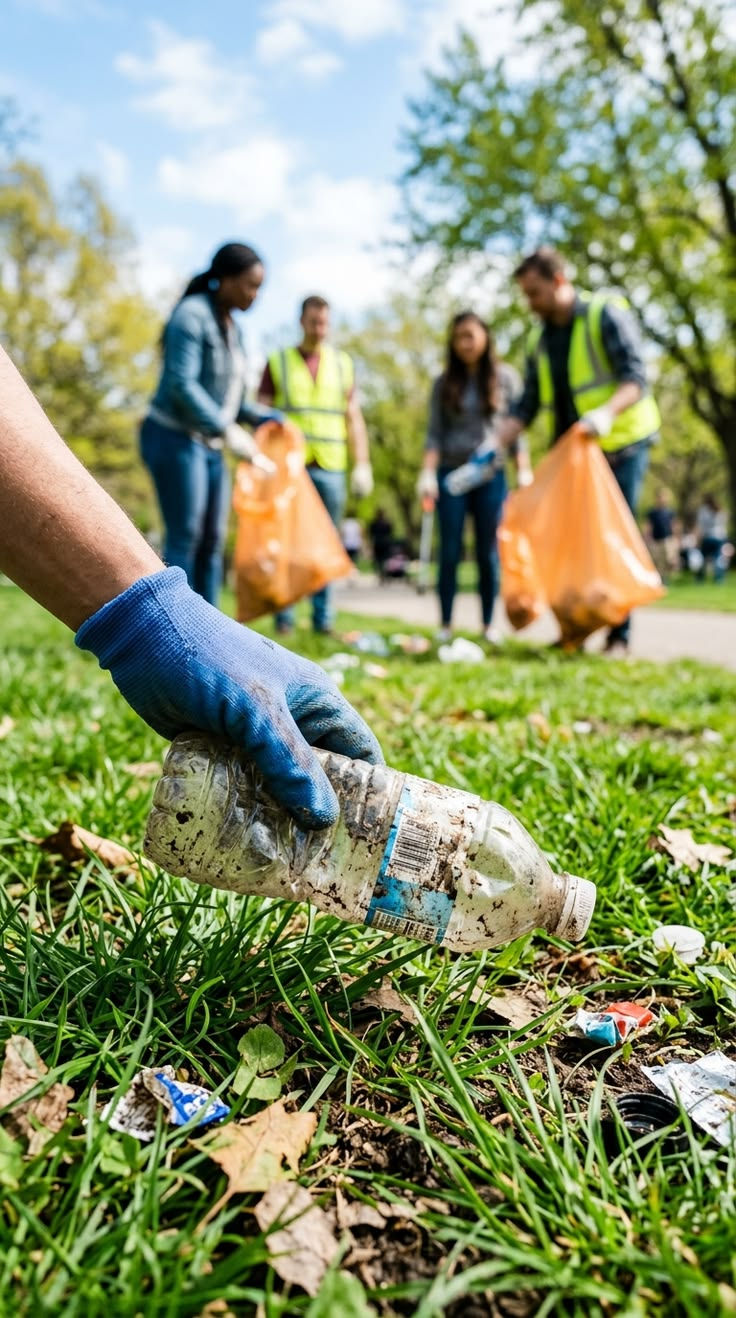
Green spaces also strengthen social connections within communities. Public parks and natural gathering areas bring people together, encouraging interaction among residents of different ages and backgrounds. Community events, outdoor activities, and volunteer projects often take place in these spaces, helping to build stronger relationships and a greater sense of belonging. When people feel connected to their community, they are more likely to participate in local initiatives and contribute positively to their surroundings.
In addition to their social and health benefits, green spaces play a crucial role in protecting the environment. Trees and plants improve air quality by absorbing pollutants and producing oxygen. Natural areas help regulate temperatures, reduce the effects of urban heat islands, and support local biodiversity by providing habitats for birds, insects, and other wildlife. These environmental functions contribute to healthier and more resilient communities.
For young people, green spaces offer valuable opportunities for learning and personal development. Outdoor environments can serve as living classrooms where children and young adults explore ecosystems, observe wildlife, and gain a deeper understanding of environmental issues. Experiences in nature often inspire a lifelong appreciation for the environment and encourage responsible attitudes toward sustainability.
Ultimately, green spaces are not a luxury but a necessity for thriving communities. They improve quality of life, support public health, strengthen social bonds, and contribute to environmental protection. By investing in and preserving green spaces, communities can create healthier, more inclusive, and more sustainable environments for current and future generations.