How Small Environmental Actions Create Long-Term Positive Impact

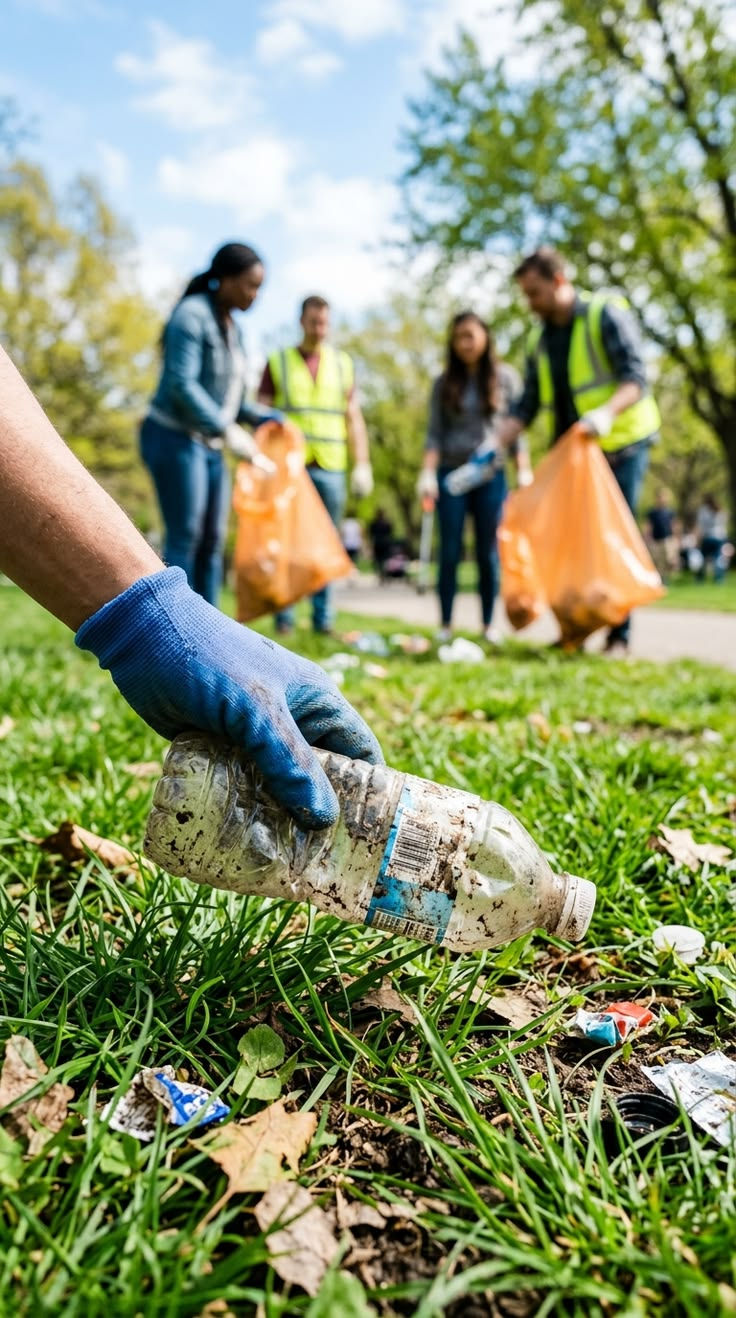
Protecting the environment is often associated with large-scale policies, international agreements, and major technological developments. However, meaningful environmental change also begins with small everyday actions carried out by individuals and communities. When practiced consistently, these actions can create significant long-term positive impacts on the planet.
Simple habits such as reducing waste, recycling materials, conserving water, and saving energy contribute directly to lowering environmental pollution and preserving natural resources. Although one individual action may seem small, collective efforts within communities can lead to measurable environmental improvements over time.
Using reusable products instead of single-use plastics is one example of how daily choices can reduce waste generation. Similarly, choosing public transportation, cycling, or walking instead of relying entirely on private vehicles helps decrease carbon emissions and air pollution. These practices support cleaner and healthier living environments for both present and future generations.
Environmental awareness also grows through small actions. When individuals adopt sustainable habits, they often inspire family members, friends, and communities to do the same. This creates a ripple effect that strengthens environmental responsibility and encourages broader social change.
Educational initiatives and community activities play an important role in promoting these habits. Workshops, environmental campaigns, nature conservation projects, and public discussions help people better understand the long-term consequences of their choices and motivate them to take action.
Small environmental actions also contribute to the protection of biodiversity and ecosystems. Activities such as planting trees, reducing littering, and supporting sustainable consumption help preserve habitats and protect wildlife from environmental degradation.
In conclusion, creating a sustainable future does not depend solely on large institutions or governments. Individual responsibility and everyday environmental actions are equally important. By making conscious choices and encouraging others to do the same, people can contribute to long-term positive environmental impact and help build a healthier planet for future generations.


