Ways to Reduce Waste and Why It Matters


Waste has become one of the biggest environmental challenges in modern society. Large amounts of garbage produced every day end up in landfills, oceans, forests, and natural ecosystems, causing pollution and threatening both human health and biodiversity. As consumption continues to increase worldwide, reducing waste is becoming essential for protecting the environment and creating a more sustainable future.
One of the most effective ways to reduce waste is by limiting the use of single-use products. Items such as plastic bags, disposable bottles, packaging materials, and plastic utensils are often used for only a few minutes but remain in the environment for many years. Replacing disposable products with reusable alternatives can significantly reduce the amount of waste produced daily.
Recycling is another important solution. Properly separating paper, glass, plastic, and metal waste allows materials to be processed and reused instead of ending up in landfills. Recycling helps conserve natural resources, reduces energy consumption, and lowers pollution levels. However, recycling alone is not enough; reducing unnecessary consumption is equally important.
Responsible consumption also plays a key role in waste reduction. Buying only what is necessary, choosing products with less packaging, and supporting sustainable brands can help minimize waste generation. Repairing and reusing items instead of immediately replacing them also contributes to a more environmentally conscious lifestyle.
Food waste is another major environmental issue. Large amounts of food are thrown away every day while valuable resources such as water, energy, and labor are wasted in the production process. Planning meals carefully, storing food properly, and using leftovers efficiently can help reduce food waste and support sustainability.
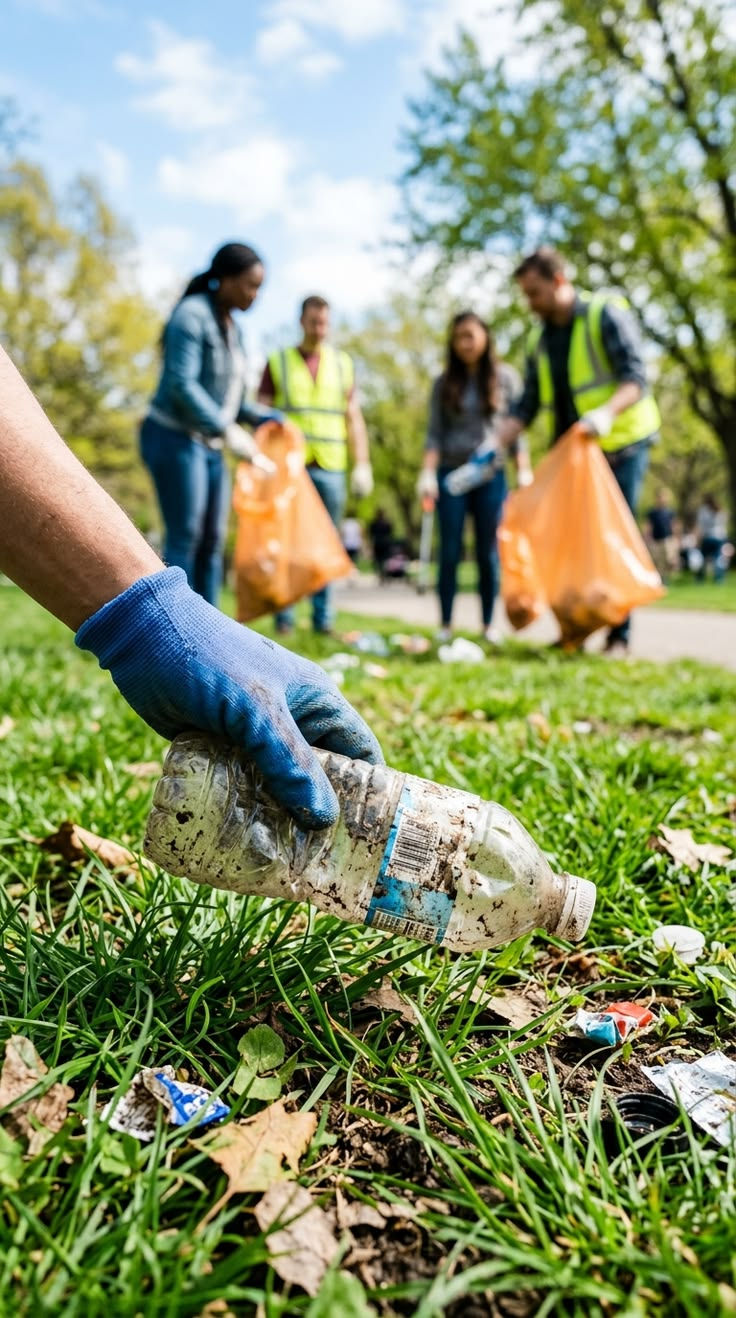
Community participation is essential in creating long-term environmental change. Clean-up campaigns, environmental workshops, recycling projects, and awareness activities encourage individuals to become more responsible and engaged in protecting their surroundings. Young people especially play an important role in promoting sustainable habits and inspiring positive environmental action.
Reducing waste has many environmental and social benefits. It decreases pollution, protects wildlife and natural ecosystems, conserves resources, and reduces greenhouse gas emissions linked to waste production and disposal. Waste reduction also supports cleaner cities, healthier communities, and a more sustainable economy.
Importantly, waste reduction does not require drastic lifestyle changes. Small daily actions—such as carrying reusable bags, recycling correctly, avoiding unnecessary purchases, and reducing food waste—can collectively make a significant difference when adopted by many people.
In conclusion, reducing waste is a shared responsibility that benefits both people and the planet. Through conscious choices, environmental education, and community action, individuals can contribute to a cleaner, healthier, and more sustainable future for generations to come.