The Connection Between Humans and Nature: Why It Must Be Restored


The relationship between humans and nature has always been fundamental to survival, development, and well-being. However, in modern societies, this connection has weakened due to urbanization, digital lifestyles, and increasing distance from natural environments. Restoring this bond is not only an environmental necessity but also a social and health-related priority.
One of the main reasons this connection must be restored is environmental awareness. When individuals have limited interaction with nature, it becomes easier to overlook environmental degradation. Direct contact with ecosystems helps people understand the value of biodiversity, clean air, and natural resources, making environmental protection more personal and meaningful.
Another important dimension is human health and well-being. Exposure to natural environments has been linked to reduced stress levels, improved mental health, and increased physical activity. Time spent in nature can lower anxiety, enhance concentration, and contribute to overall psychological resilience. This shows that nature is not separate from human life—it is deeply integrated into it.
The connection with nature also influences behavioral responsibility. Individuals who regularly engage with natural spaces are more likely to adopt sustainable habits such as recycling, reducing waste, and conserving resources. This emotional and experiential link transforms environmental responsibility from abstract knowledge into daily practice.
Education plays a key role in restoring this relationship. Environmental and outdoor learning experiences allow individuals, especially young people, to develop a direct understanding of ecological systems. Activities such as nature walks, biodiversity observations, and environmental workshops help translate theoretical knowledge into lived experience, strengthening ecological literacy.
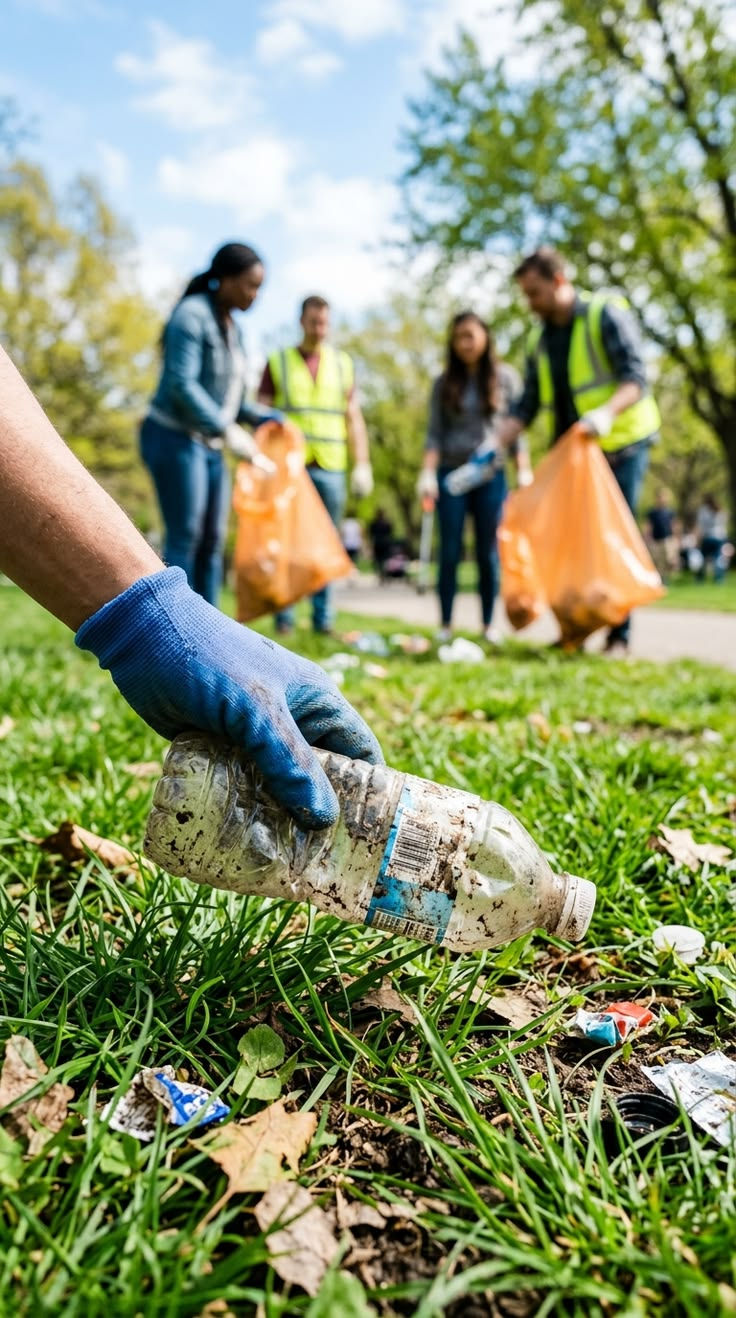
Community involvement further reinforces this connection. Local initiatives such as tree planting, clean-up campaigns, and conservation projects create opportunities for people to actively participate in protecting their environment. These shared activities also build social cohesion and a sense of collective responsibility toward nature.
In conclusion, restoring the connection between humans and nature is essential for both environmental sustainability and human well-being. It fosters awareness, encourages responsible behavior, and supports healthier societies. As environmental challenges continue to grow, rebuilding this relationship becomes a critical step toward a more balanced and sustainable future.