From Awareness to Action: Turning Environmental Knowledge into Real Impact


In recent years, awareness of environmental issues such as climate change, biodiversity loss, and pollution has grown significantly. Access to information is no longer a barrier; people are more informed than ever about the challenges facing our planet. However, awareness alone is not enough. The real challenge lies in transforming this knowledge into meaningful, consistent action that contributes to environmental protection and sustainability.
One of the main gaps between awareness and action is the perception that individual efforts have limited impact. While large-scale policies and corporate responsibility are essential, individual behaviors collectively shape environmental outcomes. Simple actions such as reducing single-use plastics, conserving energy, choosing sustainable products, and minimizing waste can create measurable change when adopted widely. The key is consistency and the understanding that small steps, when multiplied across communities, lead to significant results.
Education plays a crucial role in bridging this gap. Environmental education should go beyond theoretical knowledge and focus on practical application. Experiential learning methods, such as community projects, outdoor activities, and participatory workshops, help individuals understand the direct impact of their actions. This approach not only increases environmental literacy but also strengthens a sense of responsibility and personal connection to nature.
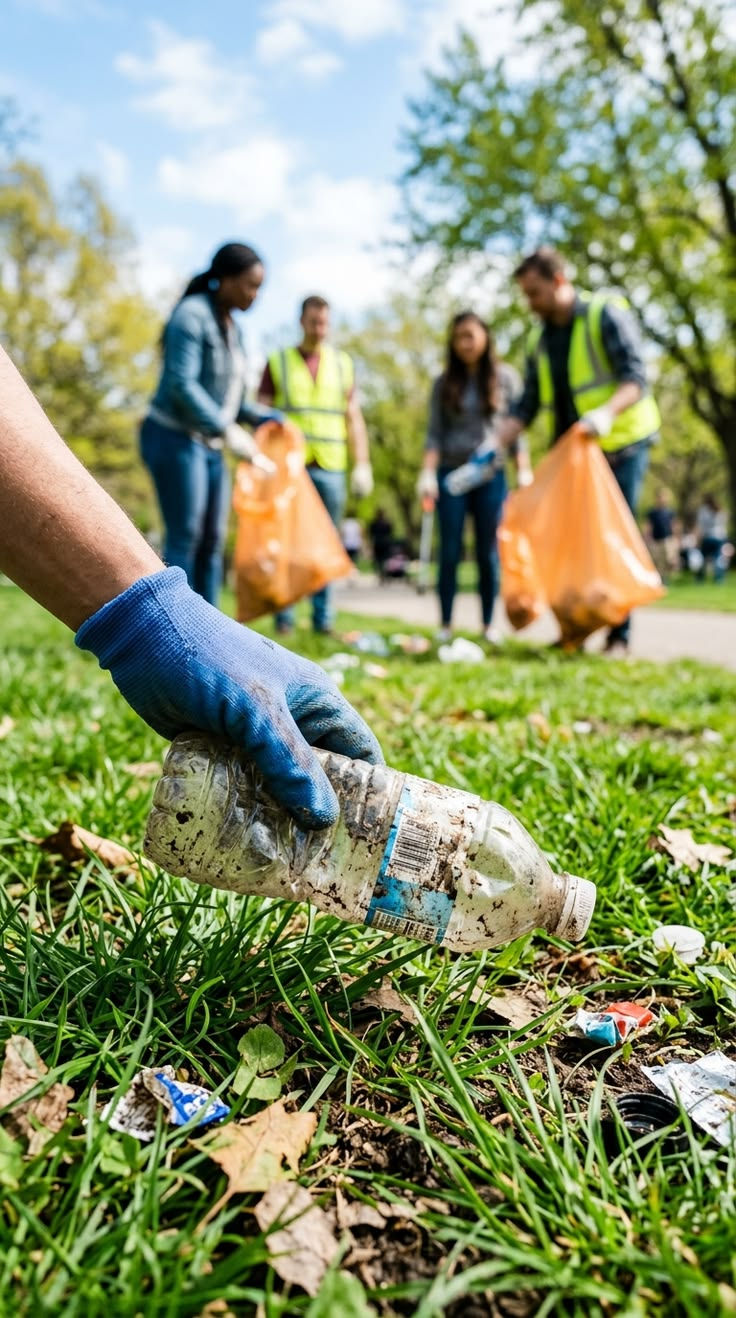
Community engagement is another essential factor in turning awareness into action. People are more likely to adopt sustainable behaviors when they are part of a supportive network. Local initiatives such as clean-up campaigns, tree planting activities, and recycling programs create opportunities for collective action and shared responsibility. These activities also foster a sense of belonging and reinforce the idea that environmental protection is a shared duty.
Ultimately, creating real environmental impact requires a shift from passive awareness to active participation. It involves making conscious choices in daily life, supporting sustainable initiatives, and encouraging others to do the same. By aligning knowledge with action, individuals can move from being informed observers to active contributors in building a more sustainable and environmentally responsible future.